Who it is for
For everyone who manufactures or regrinds really good cutting tools — drills, milling cutters, taps, reamers.
The edge belongs in the grinding machine
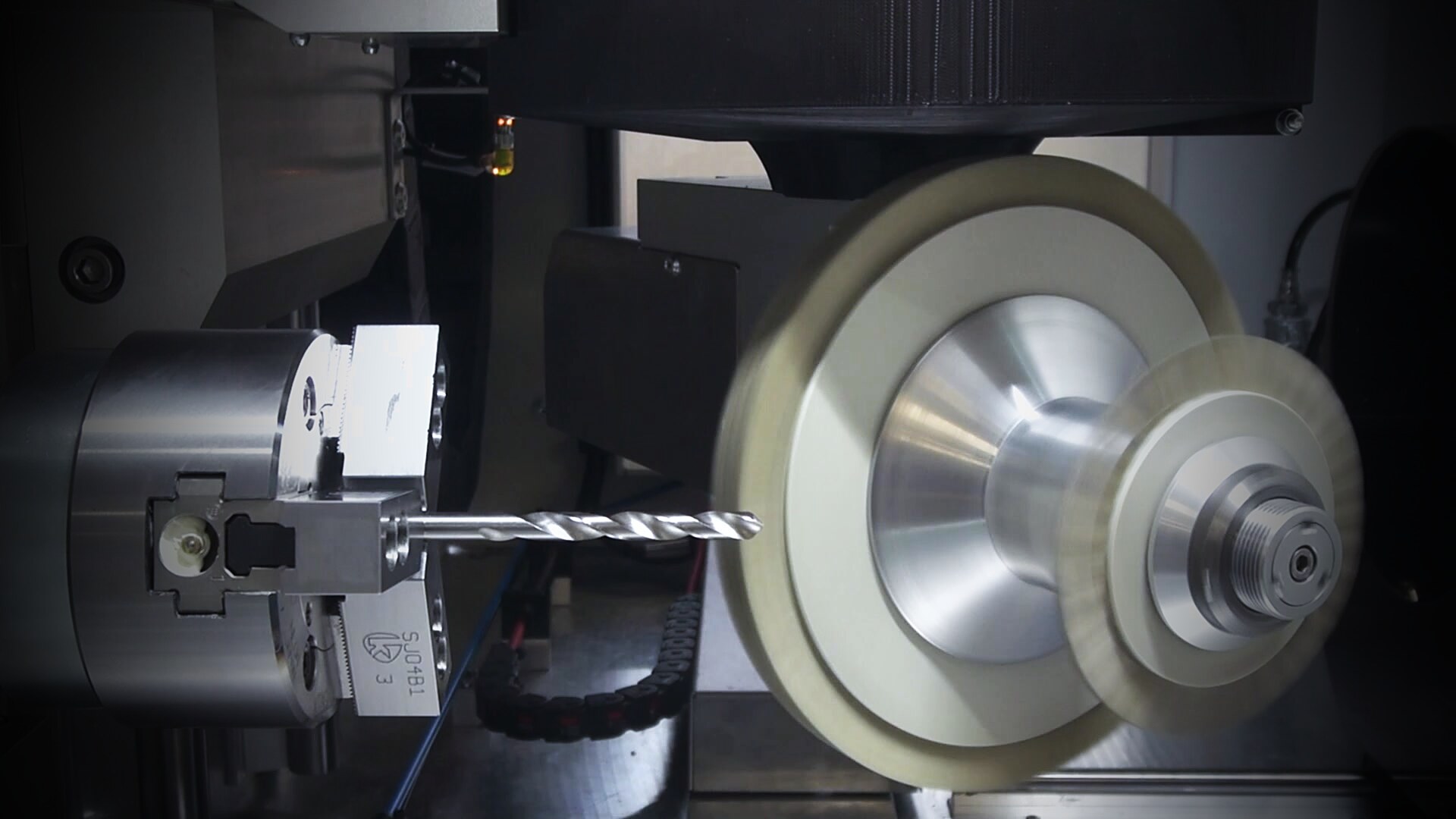
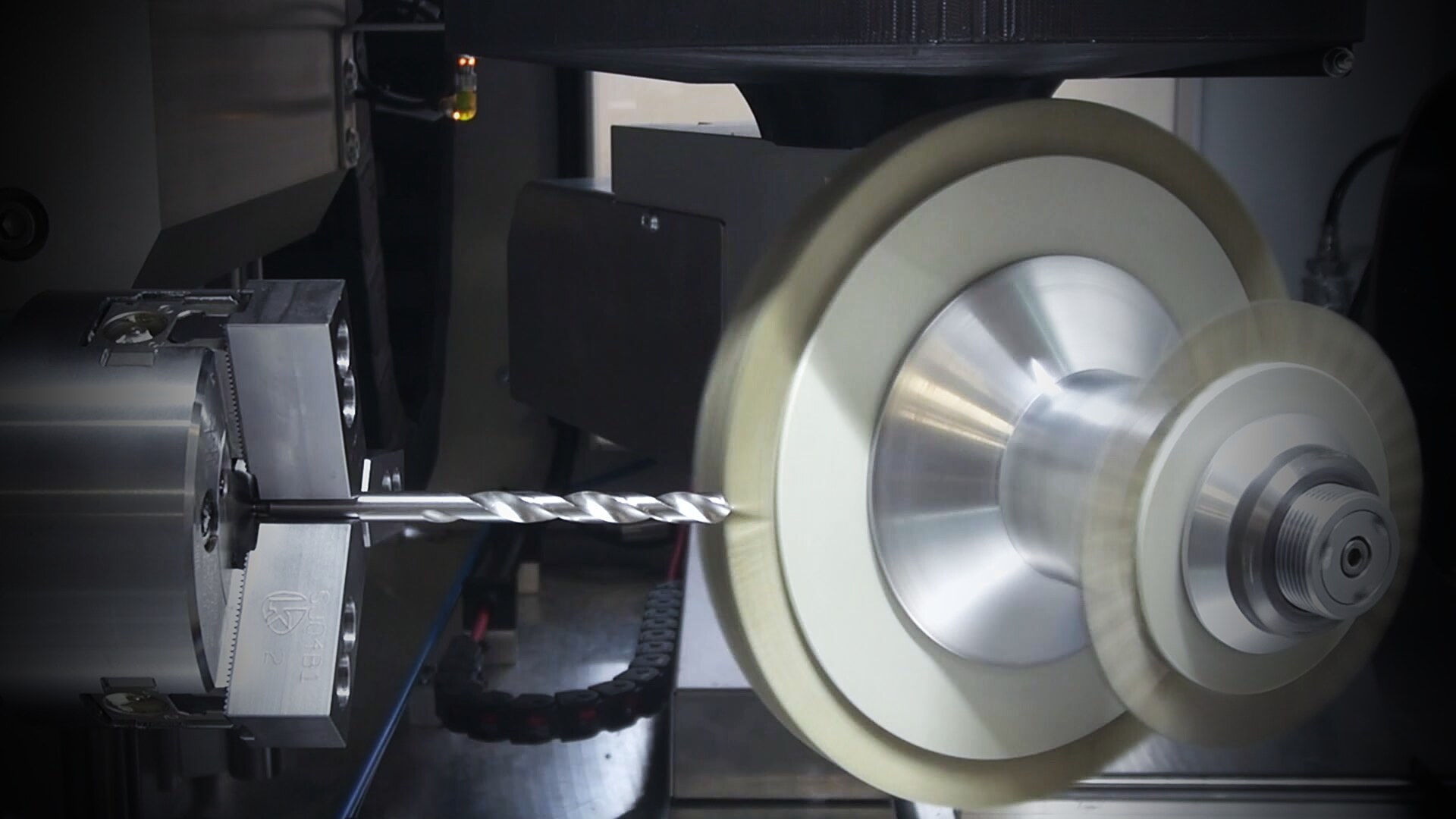
You grind solid tungsten carbide workpieces in series. With MIKRO-KI, edge preparation becomes part of the final finish in your grinding machine — instead of an additional step done off-site, by hand or with parameters based on experience.
10–40 seconds per workpiece, parameters from the model, every cutting edge documented. Your workpiece leaves the machine finished — and lasts 60 % longer at your customer's. That is your sales argument in a market that buys fewer pieces at higher prices.
INNOFLAKK in the grinding machine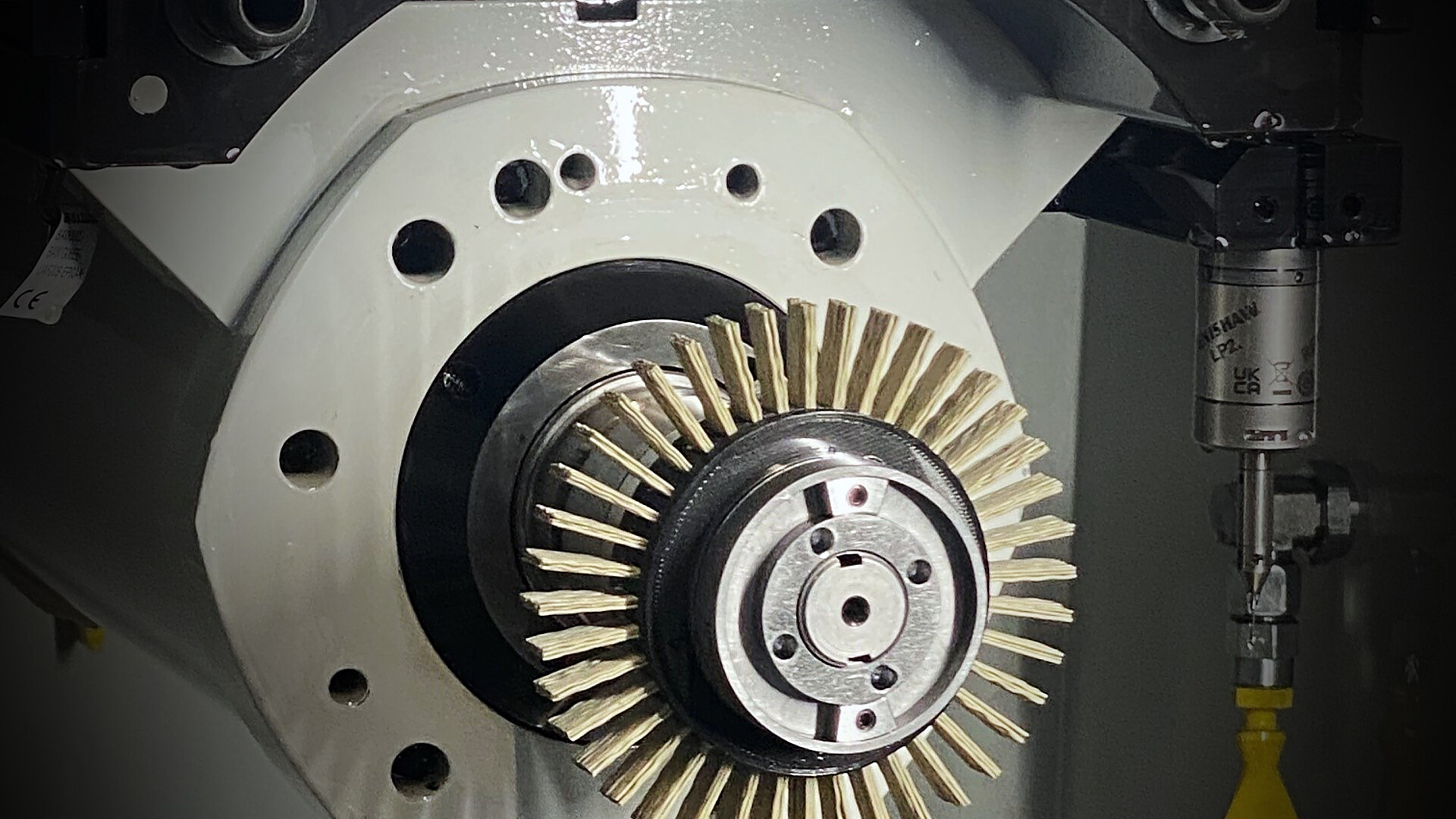
Complex workpieces, one clamping
Step drills, form milling cutters, taps, toothed workpieces: many cutting edges, different radii, several FLAKKOTING tools. That is what the K2E is built for.
2–3 minutes of process time, every partial cutting edge to specification, tool wear compensated. For the regrinding shop this means: the reground workpiece gets the same edge as the new one — a quality promise you can give your customers.
K2E familyFLAKKOTING as an integrated process
You build grinding machines or automation cells. Your customers ask for edge preparation — as an option, not as a second machine.
PROFIN supplies the complete process: FLAKKOTING tools from its own production, MIKRO-KI as the model, path calculations as the interface, process knowledge from more than 20 years. Everything from a single source — machine, process, FLAKKOTING tool.
Enquire about a partnership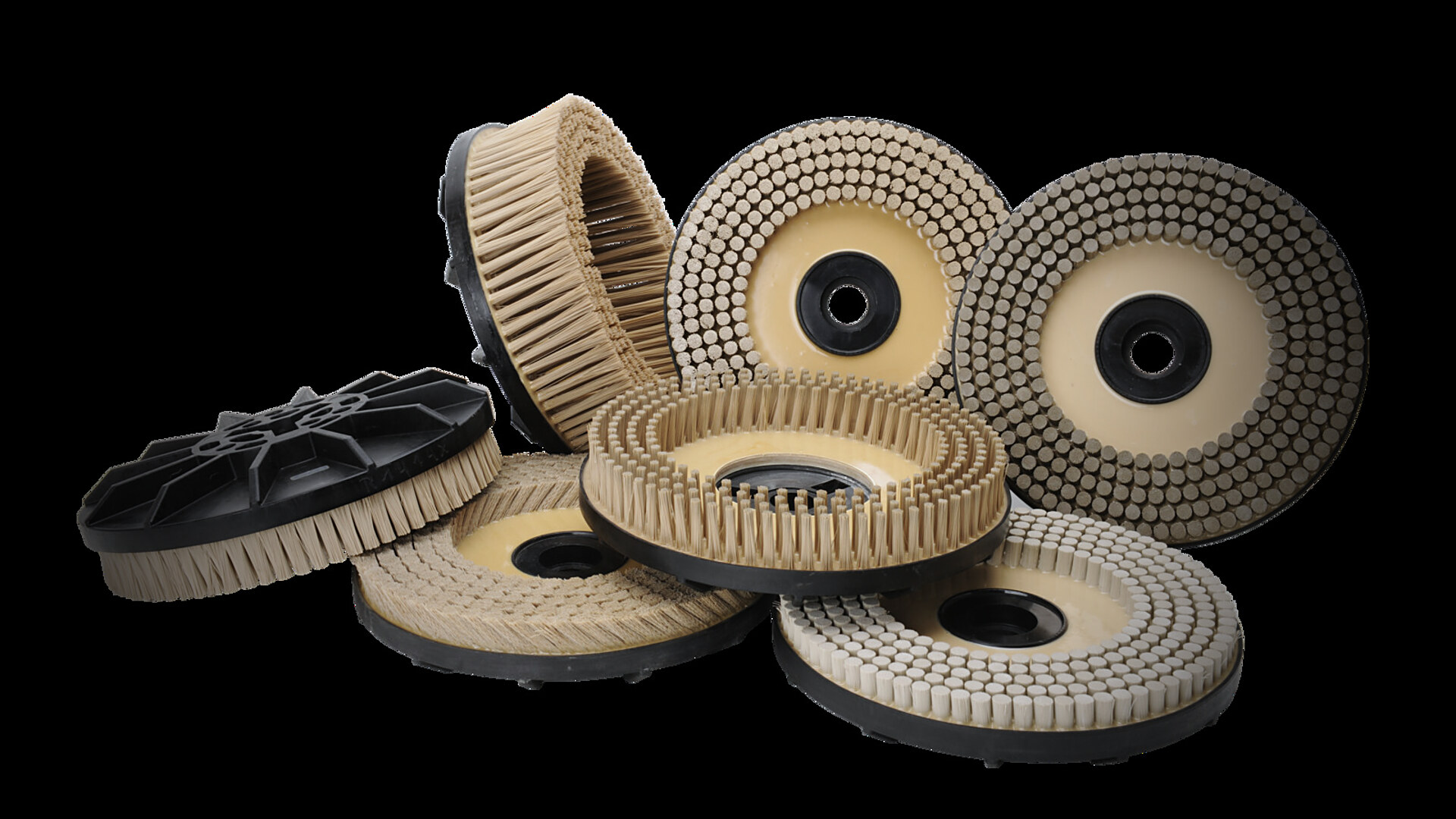
One edge, two winners
The benefit is shared. Whoever manufactures or regrinds cutting tools sells a documented edge. Whoever machines with FLAKKOTING-treated cutting tools changes tools less often, has less downtime and produces less scrap.
- One third less carbide for the same machining work at the customer: 100 cutting tools become 62.5.
- Less scrap in your own production: a defined edge instead of a jagged one, every cutting edge the same — commercially available inserts vary by 20 to 50 µm along one cutting edge.
- A sales argument with a figure: radius, K-factor and tool life documented per workpiece. The data sheet replaces the promise.
- Regrinding at new-tool level: the reground drill gets the same edge as the new one.
- +60 % tool life in the customer test, up to +100 % in the technical literature: fewer tool changes, less downtime.
- Predictable wear instead of edge fracture: the change of cutting tools can be scheduled, less scrap and rework on the component.
- Process-reliable at high cutting values: uniform surfaces without chipping marks, Ra −30 % measured in drilling.
- Less raw material per component: 37 % fewer cutting tools bought, stored, transported, disposed of.
Where the edge decides
Toolmaking
Drills, milling cutters, taps, indexable inserts — the main market and the origin of FLAKKOTING.
Watchmaking & micromechanics
Micro tools below 1 mm: here every instance of chipping is the end of the workpiece.
Medical technology
Implants and instruments made of titanium and cobalt-chromium: surfaces without rework.
Aerospace
Nickel-based alloys and titanium: tough materials that destroy sharp edges immediately.