Four advantages
FLAKKOTING-treated cutting edges machine better, last longer, leave better surfaces and save raw material.
Machining performance
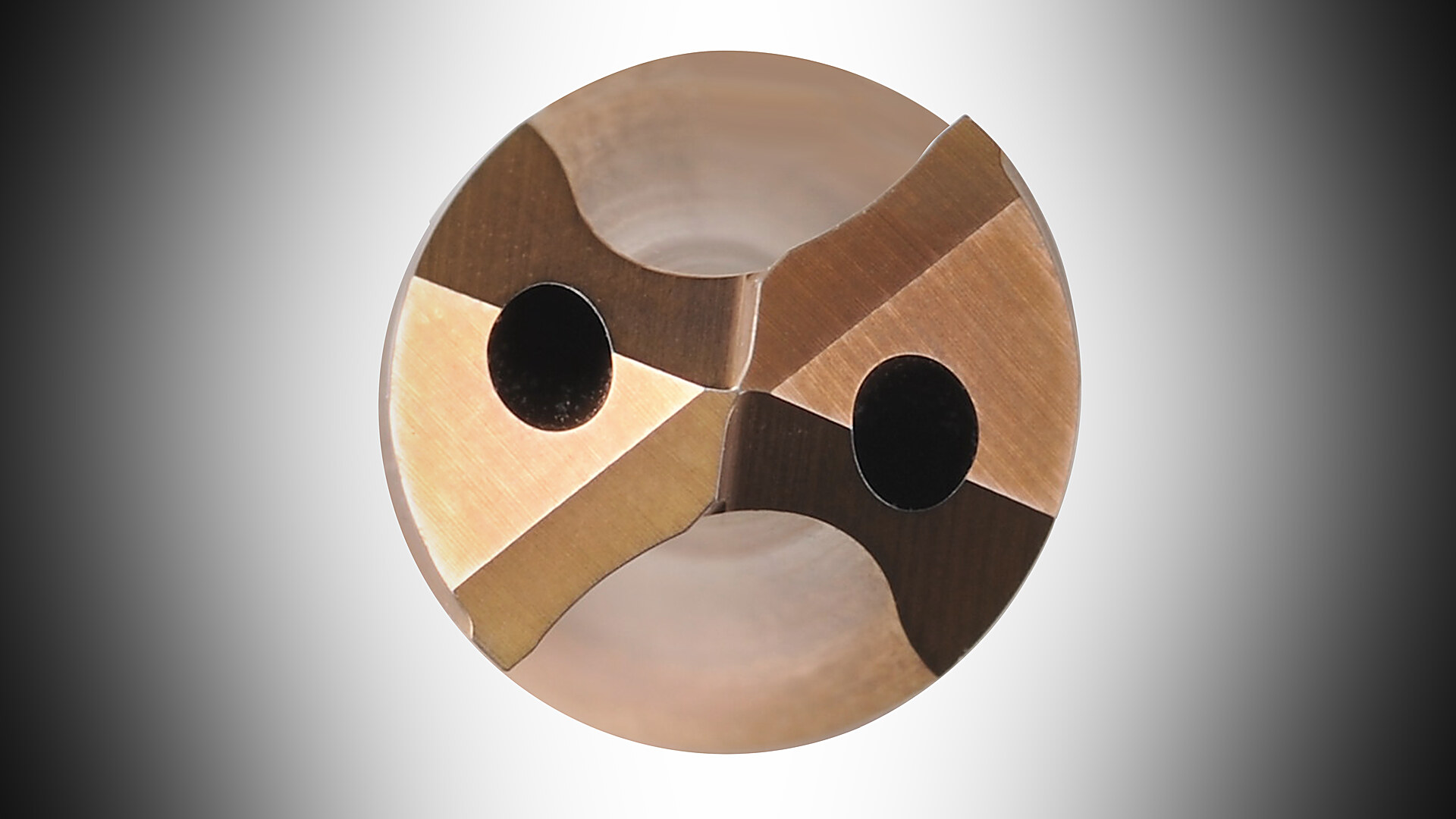
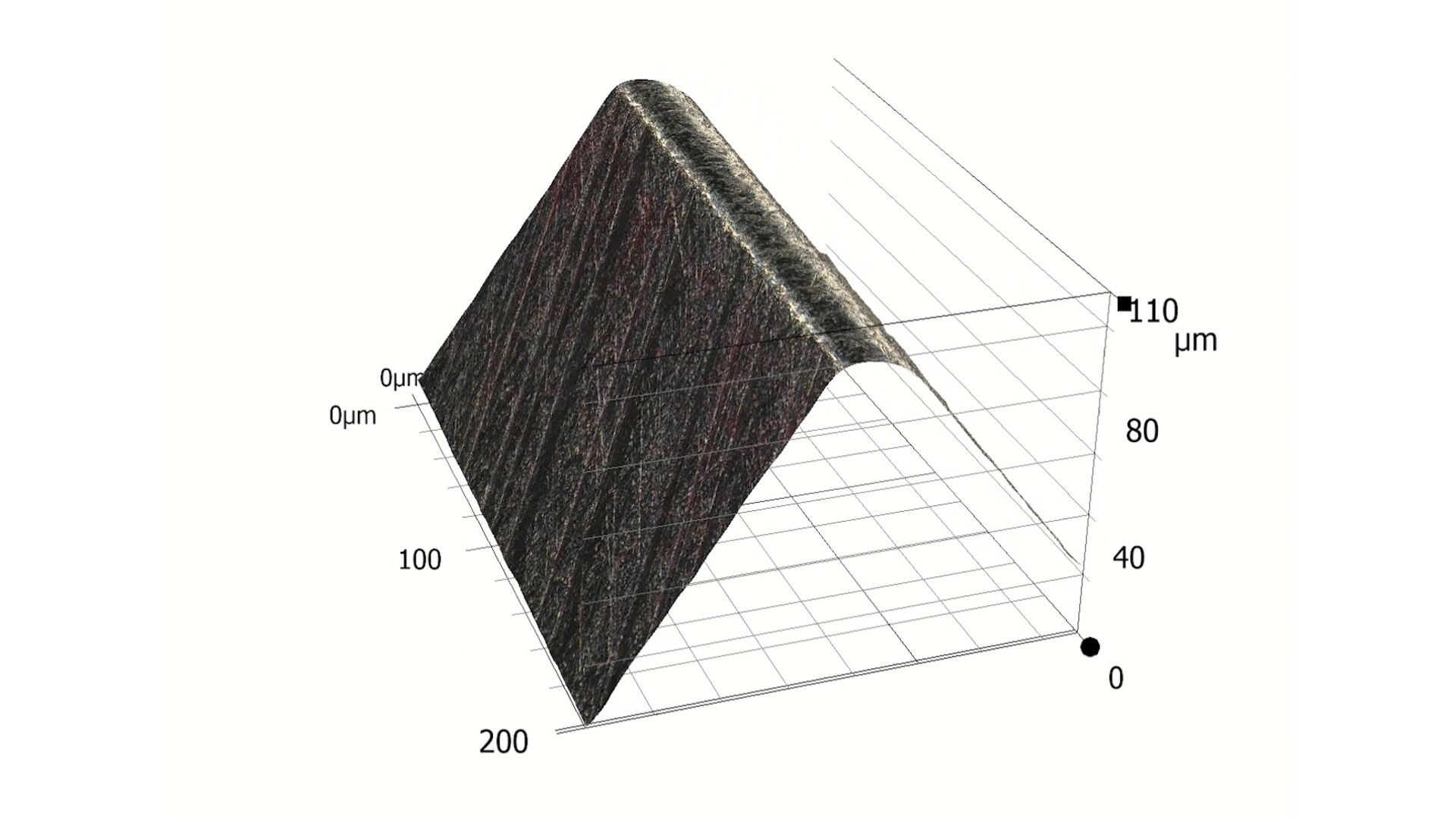
What happens: A defined, rounded edge, K-factor as required, replaces the jagged one. Every cutting edge engages uniformly.
What you gain: uniform cut, stable process forces, higher feed rates possible — process-reliable even at high cutting speeds. The production machine runs constantly instead of unstably.
Tool life
What happens: No micro-chipping when the cutting edge enters. On the rounded edge the PVD coating is under lower stress and fails later.
What you gain: wear sets in later and progresses evenly — 60 % longer tool life in the customer test, up to 100 % in the technical literature, predictable change of cutting tools.
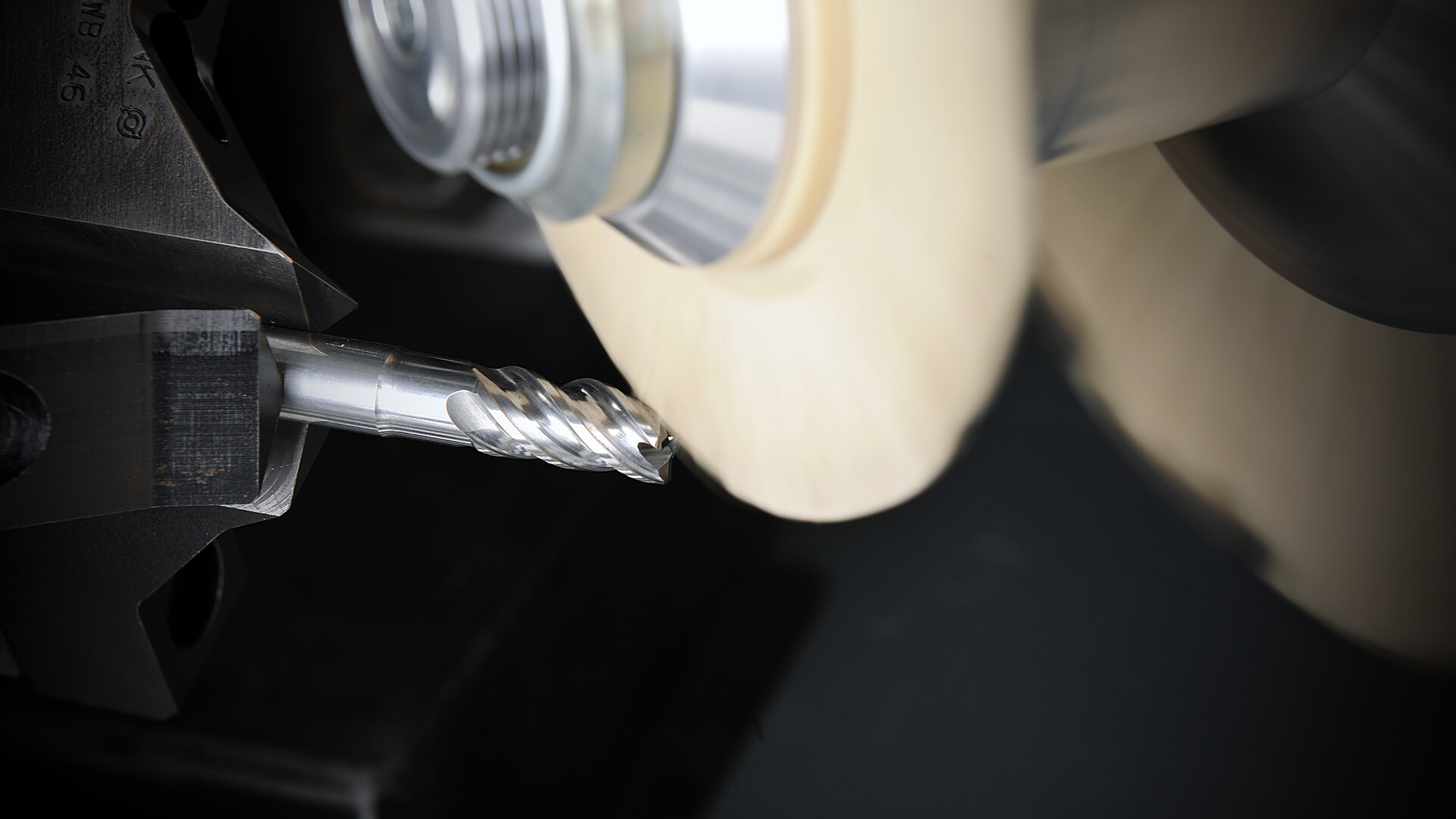
Surface
What happens: A stable cutting edge cuts smoothly. No chatter, no smearing from chipped-off edge fragments.
What you gain: uniform surfaces without chipping marks (measured in drilling: Ra −30 %), predictable wear instead of edge fracture — less rework, less scrap in production.
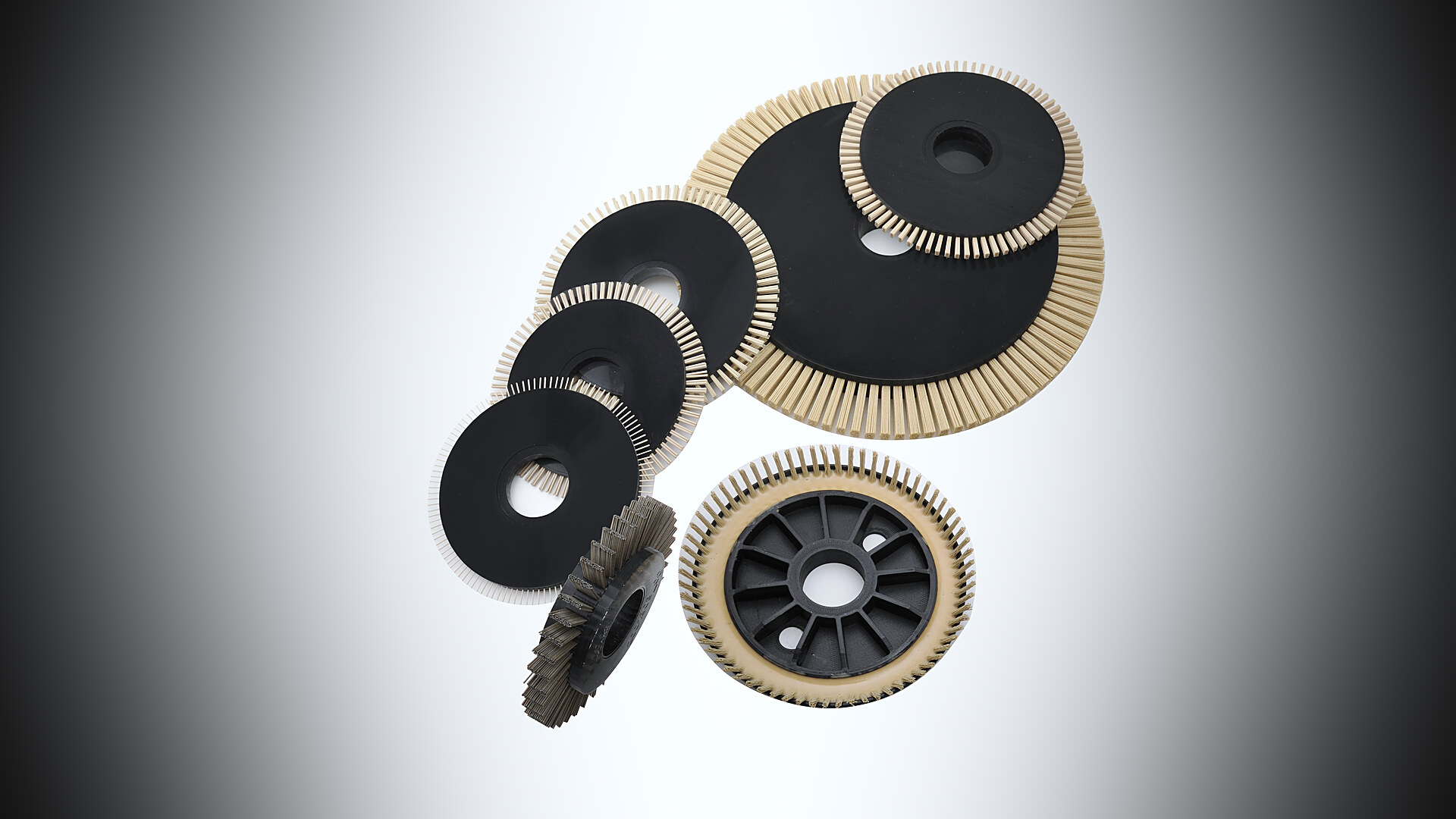
Resources
What happens: One third fewer cutting tools for the same work. Fewer regrinding cycles — and with a FLAKKOTING-treated edge the reground drill is back at new-tool level. Less scrap in production. The process is cold, can run dry, without chemicals.
What you gain: less carbide, less energy, fewer transports — sustainability that shows in the costing. PRO environment.
Wear later, last longer
The sharp edge chips on entry and wears faster from then on. The FLAKKOTING-treated edge runs in evenly and reaches the wear limit 60 % later.
The same work. One third fewer cutting tools.
60 % longer tool life means: the same machining volume takes only 62.5 cutting tools instead of 100. Every cutting tool saved is not bought, not reground, not transported and causes no production stoppages.
Pure gain — if it is reproducible
The four advantages only apply if every cutting edge receives the defined preparation — commercially available indexable inserts vary by 20 to 50 µm along a single cutting edge. That is exactly the difference between brushing by experience and FLAKKOTING with MIKRO-KI: specify the target radius, parameters from the model, result measured.
How it worksOne edge, two winners
The benefit is shared. Whoever manufactures or regrinds cutting tools sells a documented edge. Whoever machines with FLAKKOTING-treated cutting tools changes tools less often, has less downtime and produces less scrap.
- One third less carbide for the same machining work at the customer: 100 cutting tools become 62.5.
- Less scrap in your own production: a defined edge instead of a jagged one, every cutting edge the same — commercially available inserts vary by 20 to 50 µm along one cutting edge.
- A sales argument with a figure: radius, K-factor and tool life documented per workpiece. The data sheet replaces the promise.
- Regrinding at new-tool level: the reground drill gets the same edge as the new one.
- +60 % tool life in the customer test, up to +100 % in the technical literature: fewer tool changes, less downtime.
- Predictable wear instead of edge fracture: the change of cutting tools can be scheduled, less scrap and rework on the component.
- Process-reliable at high cutting values: uniform surfaces without chipping marks, Ra −30 % measured in drilling.
- Less raw material per component: 37 % fewer cutting tools bought, stored, transported, disposed of.