Tungsten carbide
Every workpiece is raw material. And since 2026 the raw material has been worth several times as much.
×3 in half a year
Ammonium paratungstate (APT), the traded form of tungsten, cost around USD 920 per metric tonne unit in Europe at the beginning of 2026. In April it was over 3,000. At the moment the price is stable, with a rising trend.
The reason is structural, not seasonal: China controls over 80 % of tungsten mining and has imposed export controls on tungsten products since February 2025. In addition, demand from defence and energy is rising. Cobalt as a binder follows the same logic.
Looking further back, the jump is even greater: at the beginning of 2025 APT cost around USD 300 — a tenfold increase in just over a year. The major tool manufacturers pass this on with list price increases and raw material surcharges; PROFIN customers report prices up to eight times higher for blanks, rods and inserts compared with the beginning of 2026.
The leverage is at the cutting edge
is the cost of a standard solid carbide cutting tool — range CHF 200 to 2,000, which is 80 % of the market. Rising trend.
Tool manufacturers sell fewer cutting tools at higher prices. Each one has to deliver more.
longer tool life in the customer test — the technical literature states up to 100 % — means: one third fewer cutting tools for the same work.
Carbide in every shape
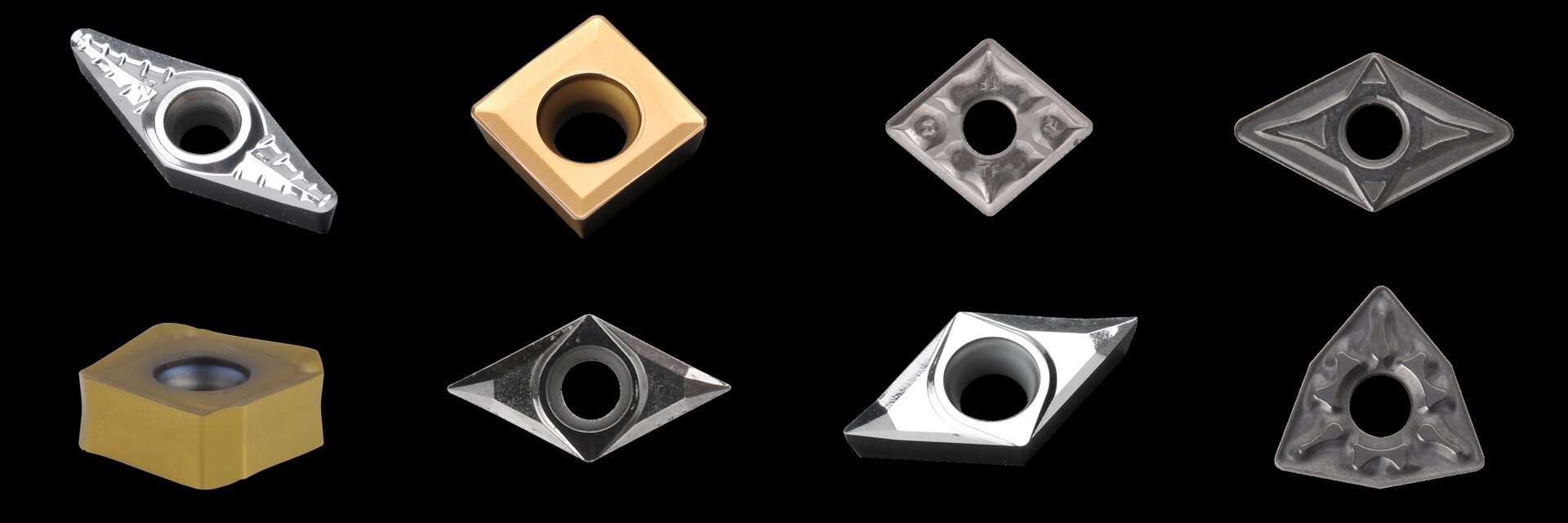
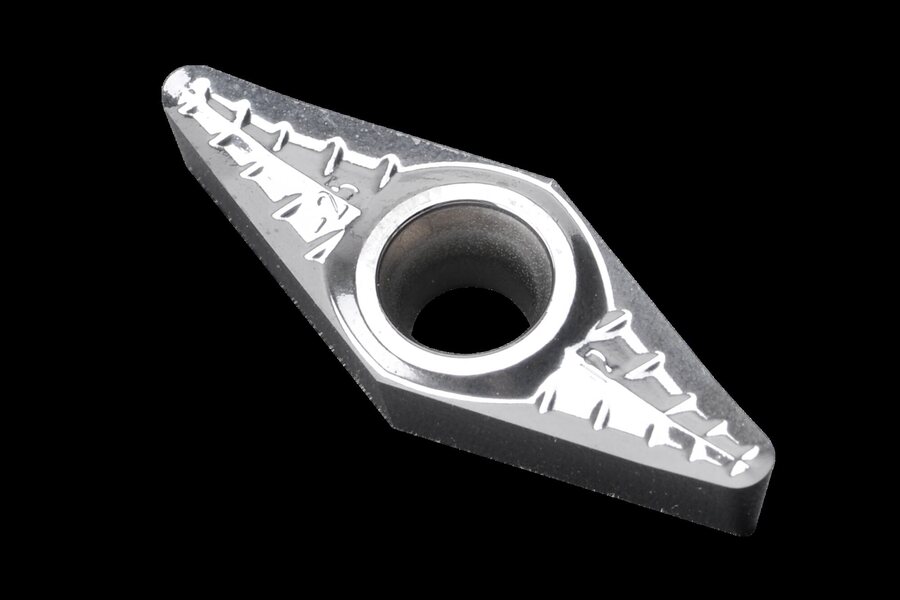
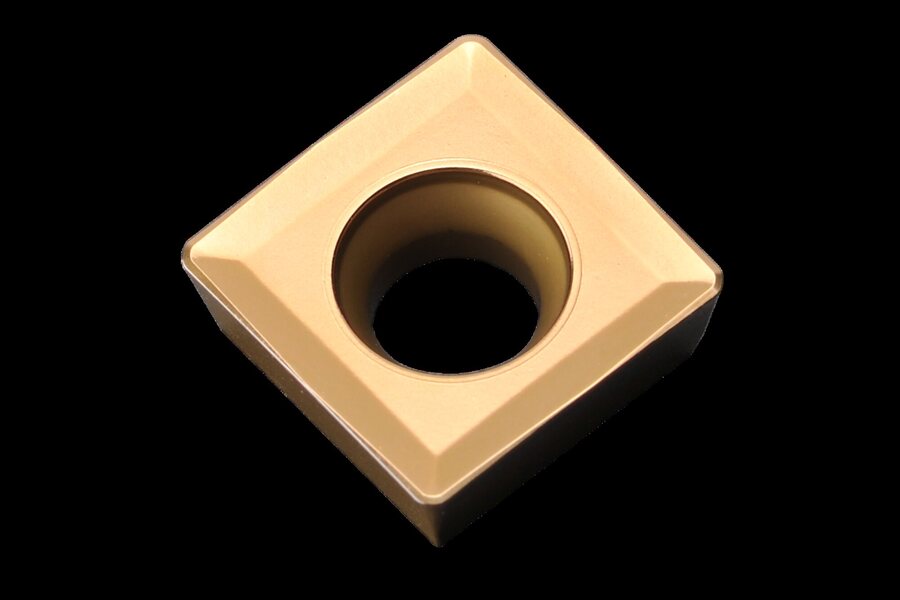
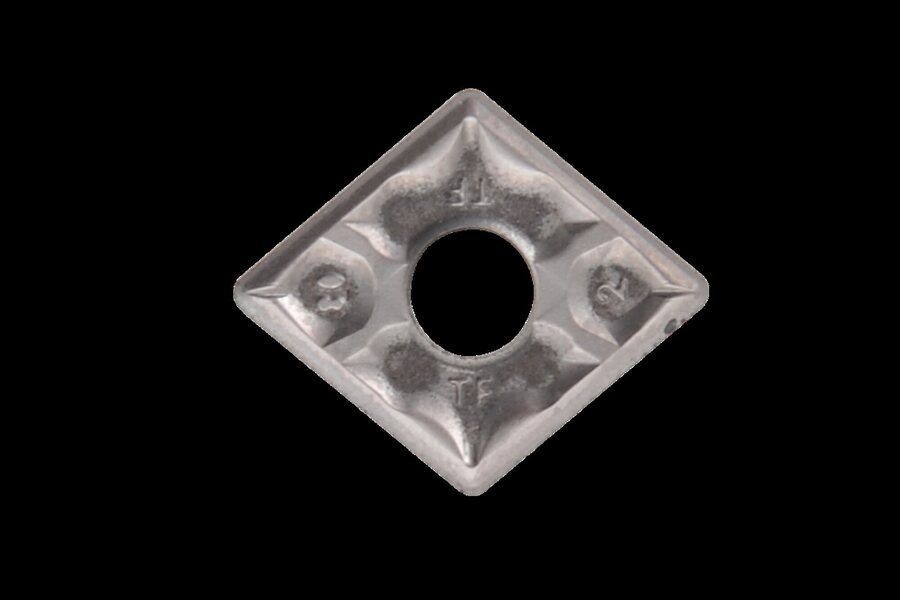
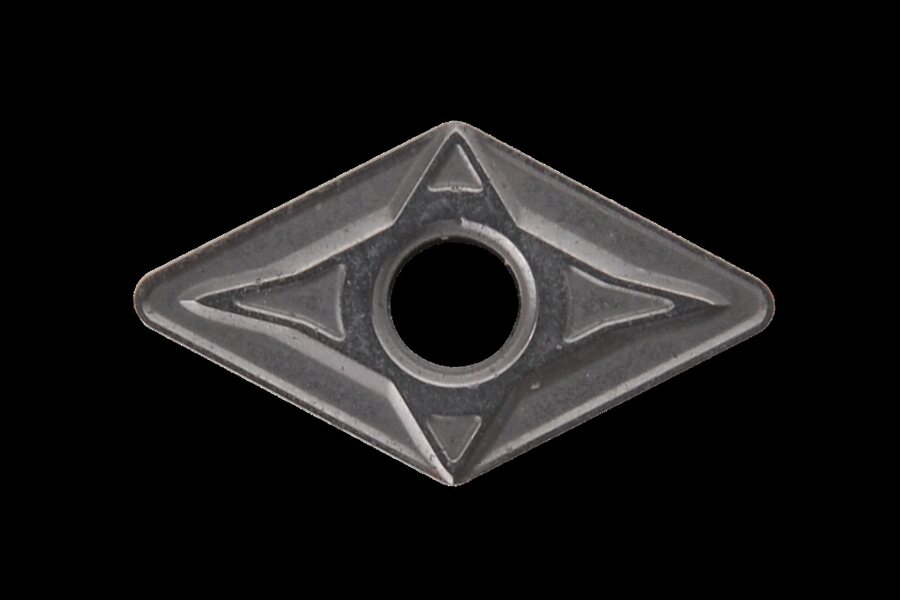
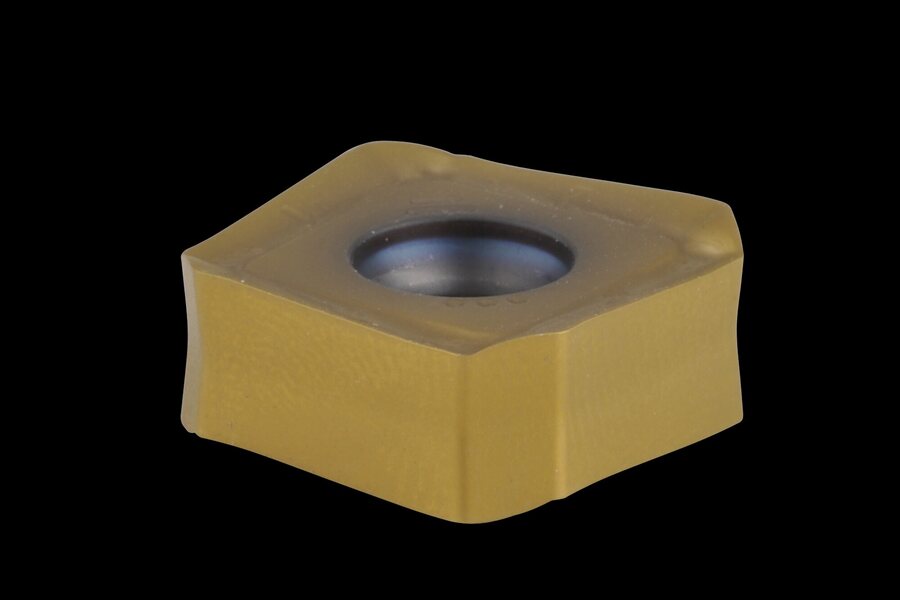
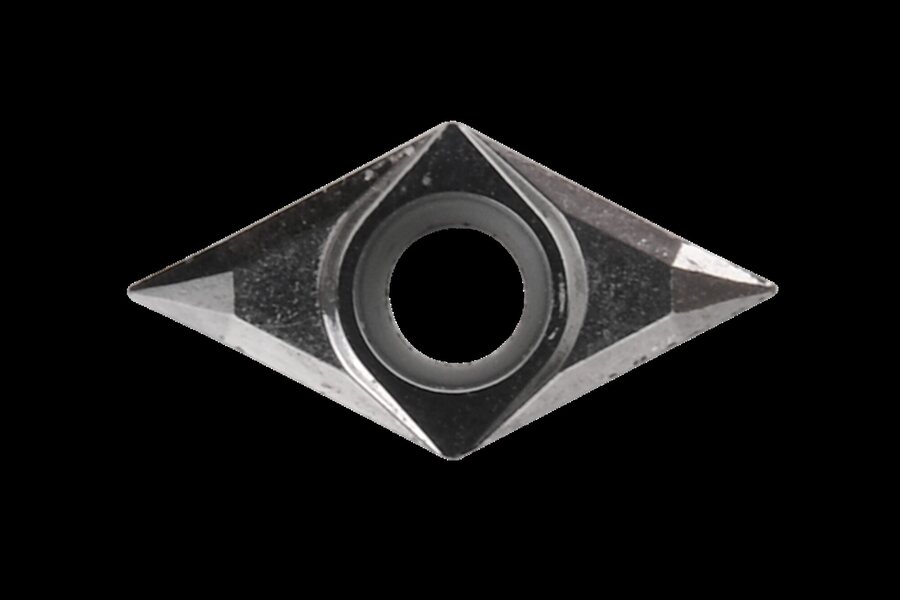
Indexable inserts, step drills, form inserts: every one of these edges can be treated by FLAKKOTING.
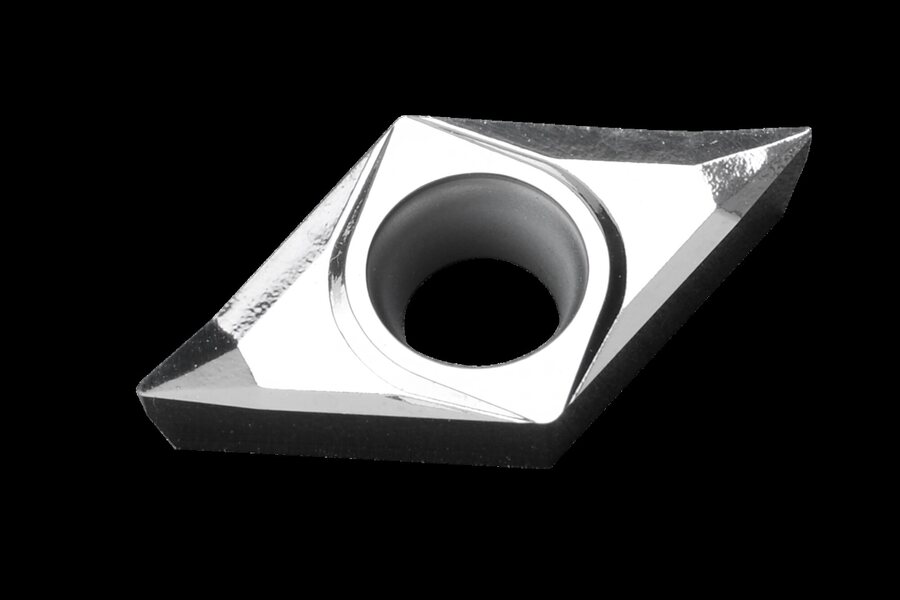
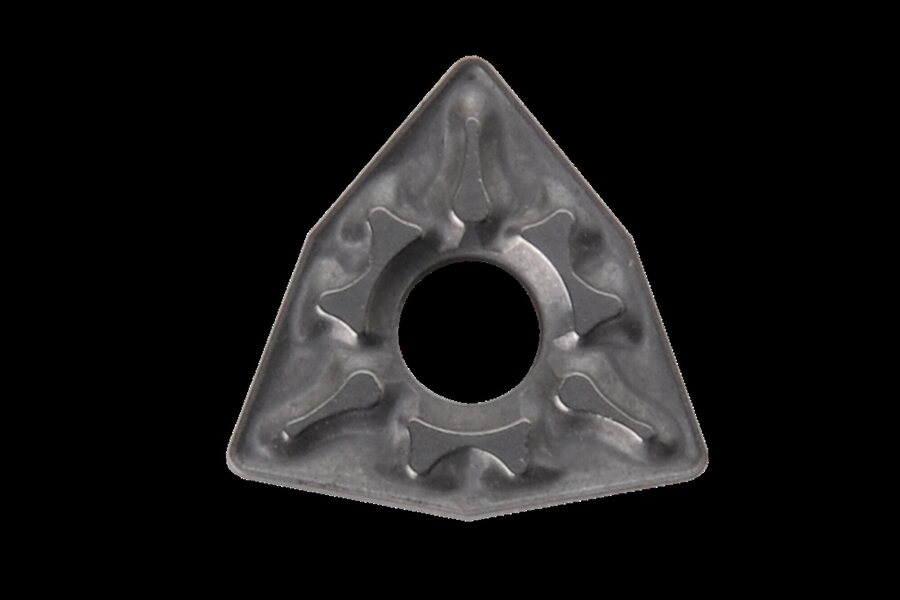
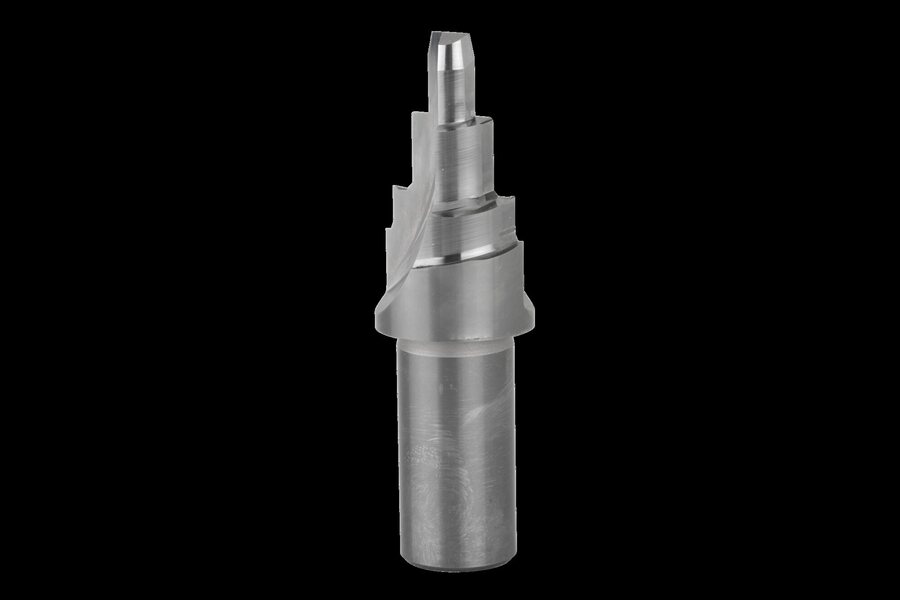
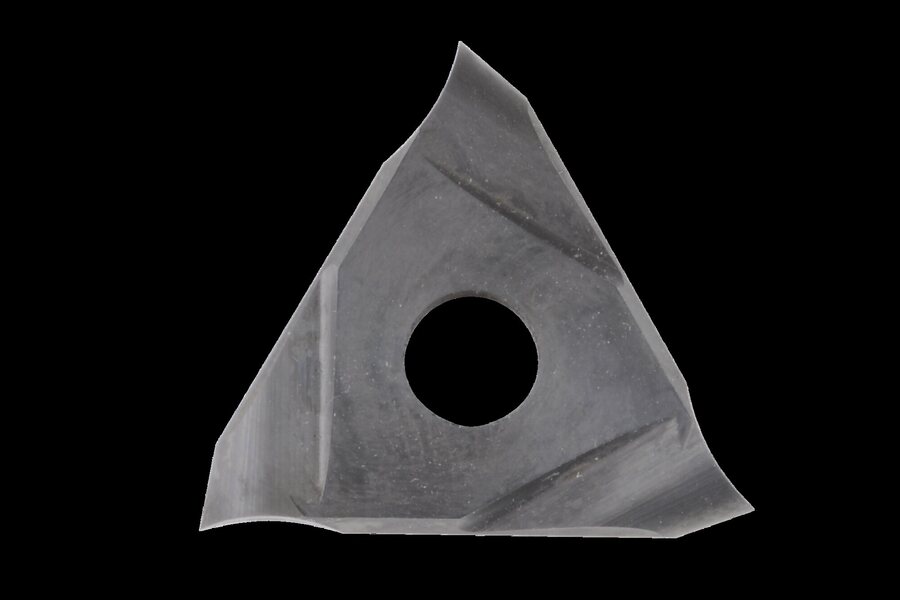
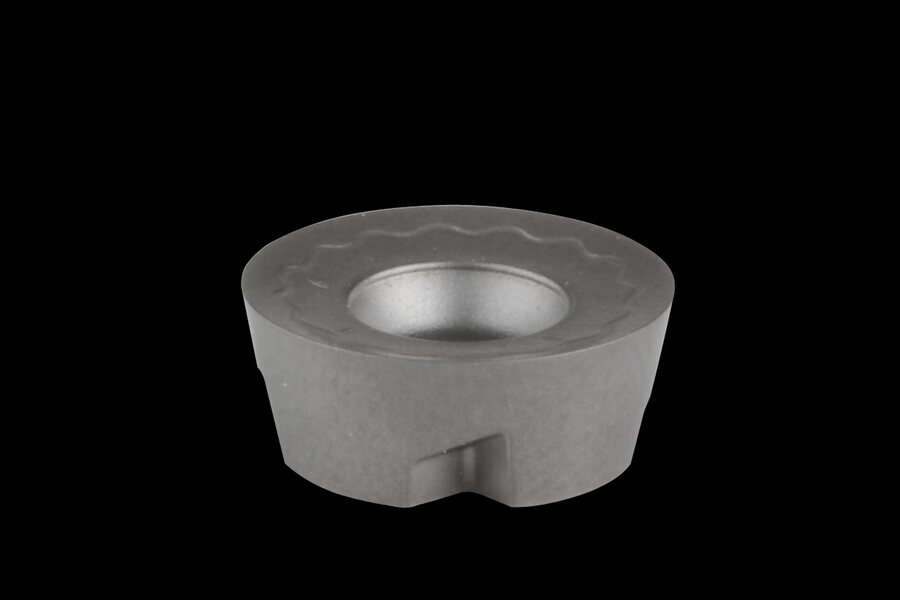
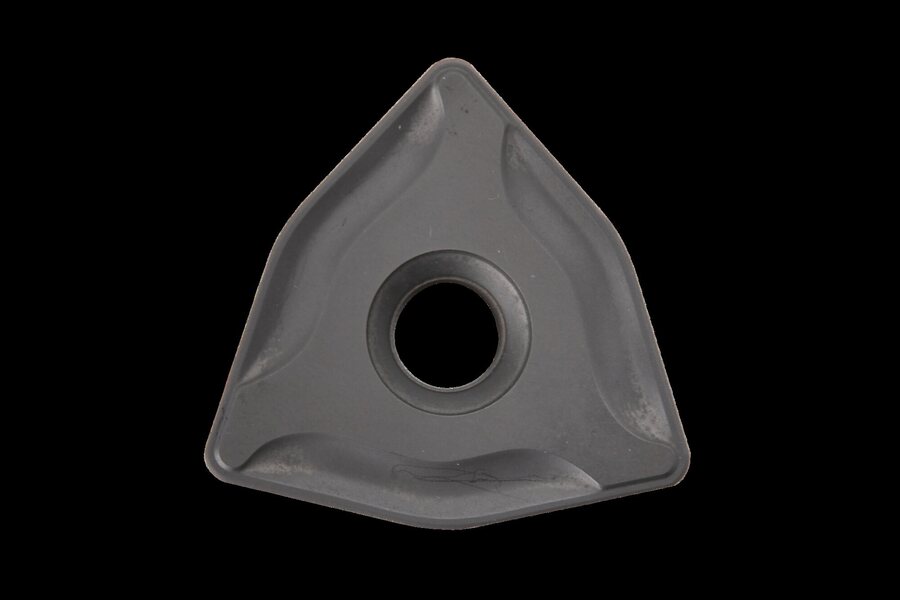
One edge, two winners
The benefit is shared. Whoever manufactures or regrinds cutting tools sells a documented edge. Whoever machines with FLAKKOTING-treated cutting tools changes tools less often, has less downtime and produces less scrap.
- One third less carbide for the same machining work at the customer: 100 cutting tools become 62.5.
- Less scrap in your own production: a defined edge instead of a jagged one, every cutting edge the same — commercially available inserts vary by 20 to 50 µm along one cutting edge.
- A sales argument with a figure: radius, K-factor and tool life documented per workpiece. The data sheet replaces the promise.
- Regrinding at new-tool level: the reground drill gets the same edge as the new one.
- +60 % tool life in the customer test, up to +100 % in the technical literature: fewer tool changes, less downtime.
- Predictable wear instead of edge fracture: the change of cutting tools can be scheduled, less scrap and rework on the component.
- Process-reliable at high cutting values: uniform surfaces without chipping marks, Ra −30 % measured in drilling.
- Less raw material per component: 37 % fewer cutting tools bought, stored, transported, disposed of.